
Worth knowing…
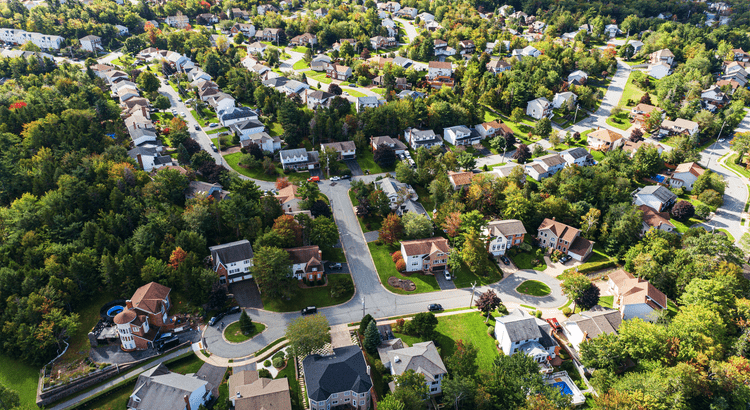
When you think about the factors that shape a home’s value and day-to-day livability, you probably think about location, commute times, neighborhood amenities, and future development.
A data center may not be the first thing that comes to mind.
But in many parts of the country, that is starting to change.
These large facilities, which house the servers and systems that power everything from cloud storage to streaming services, are showing up in more communities than ever before. And as they become more common, buyers and homeowners are asking smart questions:
- Will a nearby data center affect home values?
- Could it change the look and feel of the area?
- Will it impact utility costs?
- Is it something to worry about when buying or selling?
The good news is that the answer is not as simple as “good” or “bad.” Like many real estate topics, it depends on the location, the project, and the bigger picture in the community.
Data Centers Are Expanding Into More Communities
According to Realtor.com, only about a dozen ZIP codes had a large data center back in 2015. By the first half of 2026, that number had grown to more than 100, with more expected by the end of the year.
That is a major shift in a relatively short period of time.
HousingWire reports that much of this growth is happening in states like:
- Texas
- Virginia
- Georgia
- Pennsylvania
- Ohio
- Utah
- Illinois
- Arizona
- Indiana
- Nevada
What this means for buyers and sellers is simple: data centers are becoming a more common part of the real estate conversation.
More buyers are likely to come across one during their home search. More homeowners may hear about a proposed development near their property. And more people will want to understand what that could mean before making a move.
The Question Most People Ask First: Will It Affect Home Values?
This is usually the biggest concern. If a data center is built nearby, will home values fall?
So far, the available research does not show that a nearby data center automatically lowers property values. In fact, HousingWire reported that when researchers compared ZIP codes with large data centers to similar communities without them, home values generally tracked in similar ways. Listing prices even showed a modest initial increase around openings.
That is important context.
At this point, the data suggests that simply being near a data center has not historically caused dramatic gains or losses in home values on its own.
Of course, every property is different. A home right next to a large industrial-looking facility may be perceived differently than one several miles away in a broader growth corridor. Things like proximity, visibility, traffic, noise, and future development plans can all influence how buyers respond.
Still, for the average homeowner, there is no clear evidence that a nearby data center automatically hurts value.
Why This Topic Has More Nuance Than You Might Expect
Like any major development, a data center can bring both advantages and tradeoffs. That is why it helps to look beyond headlines and focus on how a specific project may affect a particular area.
Potential Benefits of a Nearby Data Center
- It may be part of a broader growth story
A data center often signals investment in an area. In some markets, that can mean more commercial activity, more attention from developers, and stronger long-term momentum. - Infrastructure improvements may follow
Large developments can bring upgrades such as: Road improvements, Expanded fiber networks, Power infrastructure enhancements, Other utility and access improvements. These updates can benefit the surrounding area, depending on how the project is planned and executed. - It can contribute to the local economy. Data centers can create jobs and support local businesses. They may also generate substantial property tax revenue, which can help fund community improvements.
The Tradeoffs Buyers and Homeowners Should Consider
Real Estate Is Local, and So Is This Issue
At the same time, there are practical concerns that matter.
- They can change the character of an area
These are large facilities. Depending on the site, they may include visible buildings, substations, transmission lines, and ongoing construction activity.
For some buyers, that may not matter much. For others, it could influence how they feel about the location.
- Noise can be a factor
Cooling systems, backup generators, truck traffic, and construction may create noticeable noise, especially for homes close to the site.
That does not mean every nearby property will be affected the same way. But it is definitely something worth evaluating in person.
- They can put pressure on local resources
Data centers use significant electricity and, in some cases, substantial amounts of water depending on their cooling systems.
That has raised questions in some markets about local infrastructure and whether growing demand could eventually affect utility costs for residents.
HousingWire cited J.P. Blackwood of the Ohio Consumers’ Counsel, who noted that utility rate increases tend to be gradual and that data centers are just one of several factors that can influence electricity prices.
That is a key point.
A nearby data center does not automatically mean your bills will spike. But it is one of the factors worth paying attention to, especially in areas seeing rapid growth and increased power demand.
What Buyers Should Do Before Making a Move
Here are a few smart steps:
- Find out what is already built nearby
- Ask about approved or proposed developments
- Consider how close the home is to the site
- Visit the property at different times of day
- Pay attention to traffic patterns and noise levels
- Ask whether utility costs or infrastructure changes are expected in the area
This is not about being alarmed. It is about being informed.
The more you know before you buy, the more confident you can feel in your decision.
What Sellers Should Keep in Mind
If you are selling a home near a data center, do not assume it automatically hurts your home’s value.
That said, buyers may have questions, and being prepared to answer them can help build confidence.
It may be helpful to gather information such as:
- The facility’s location and distance from the home
- Construction timelines
- Any planned infrastructure improvements
- Known noise or traffic considerations
- Future development plans in the immediate area
Clear, factual information can go a long way toward addressing concerns and keeping the focus on the full value of your property.
Real Estate Is Local, and So Is This Issue
One of the most important things to remember is that not all data centers affect communities the same way.
A facility in one market may have little noticeable impact on nearby homes. In another area, the scale, location, or surrounding infrastructure could make it a much bigger factor.
That is why local insight matters.
Whether you are buying, selling, or simply trying to understand what a proposed project could mean for your property, the best approach is to look at the specific location, the plans in motion, and how the market is responding.
Bottom Line
As data centers become more common, they are becoming one more factor buyers and homeowners need to understand.
The current data does not show that a nearby data center automatically hurts home values. But it can influence things like future development, neighborhood feel, noise, and possibly utility costs depending on the area.
If you have questions about a data center near your home, or one that may be coming soon, let’s talk through what it could mean for your property and your next move.
Let’s Talk About Your Local Market
If you are buying or selling and want real, local insight you can trust, reach out to Zac Pasmanick with The Zac Team. I would be happy to help you understand how nearby development, including data centers, may affect your options, your timing, and your home’s value.
Zac Pasmanick
The Zac Team
Phone: 14045647272
Email: zac@zac.biz
Website: https://mlsinatlanta.com
Let’s make sure you have the facts you need to move forward with confidence.